Bianca Pascu |Interview
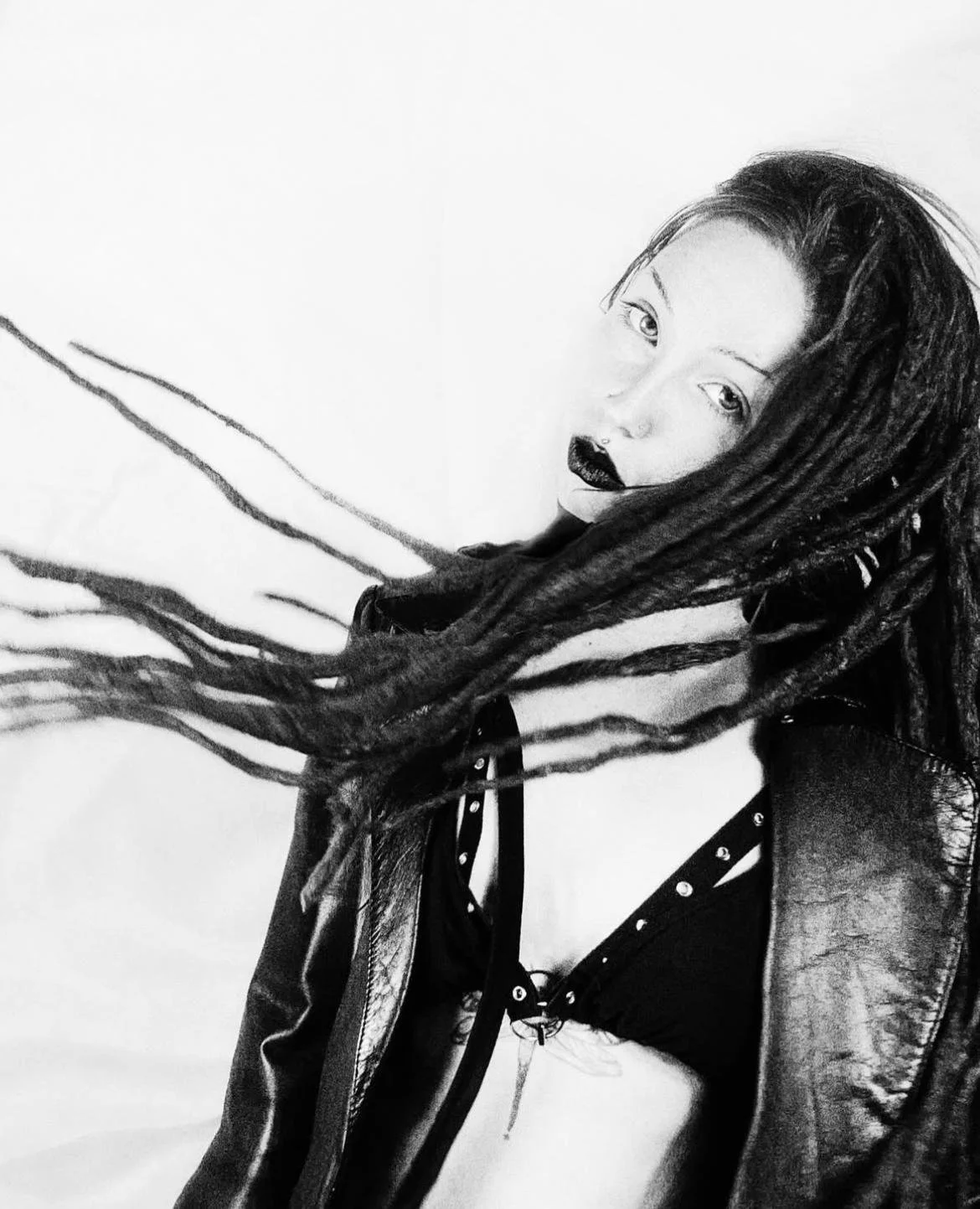
Pictured: Artist Bianca Pascu
“I study fleeting moments and shape them into sacred spaces where presence becomes a quiet redemption.”
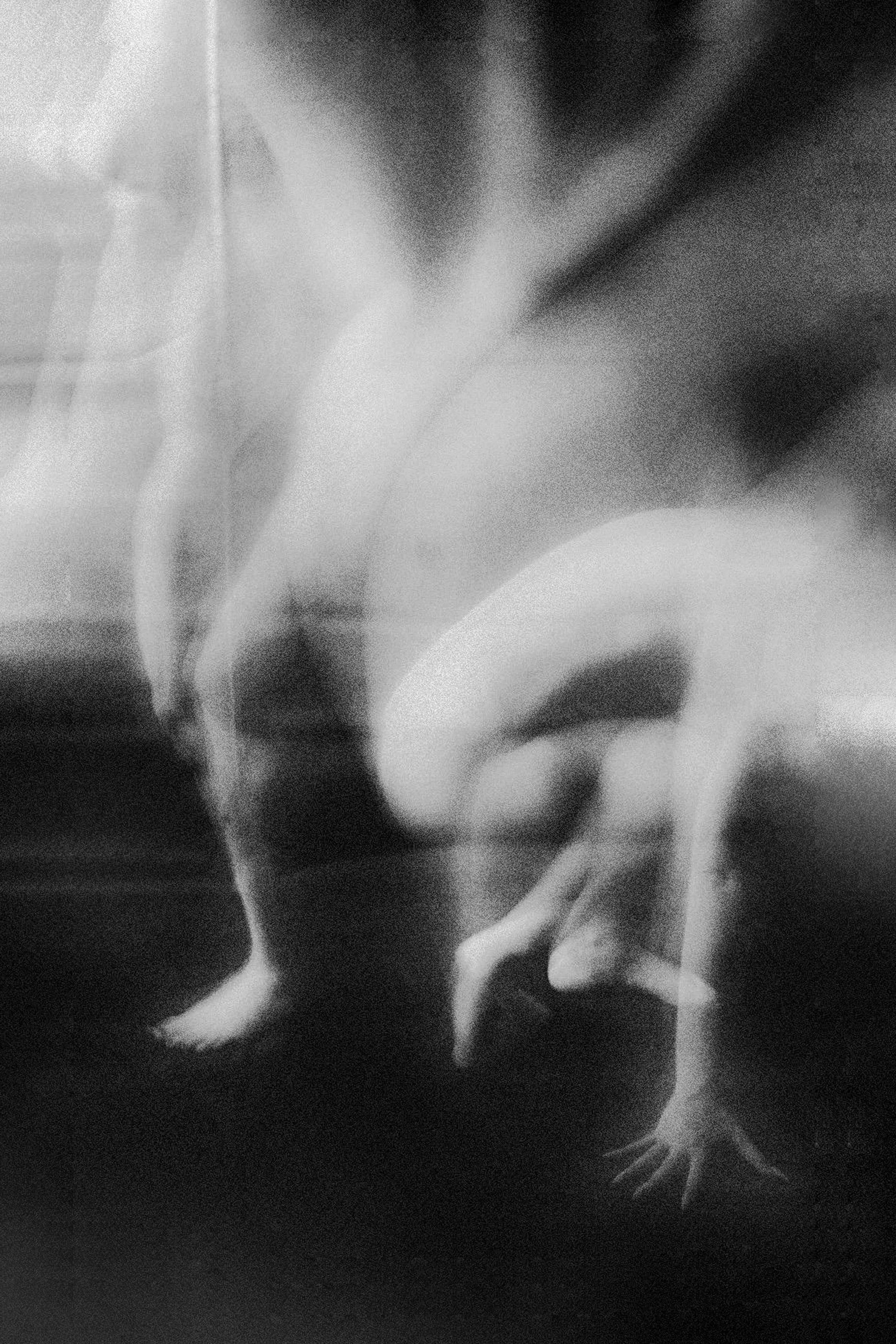
Bianca Pascu’s practice moves through states of vulnerability, impermanence, and emotional fracture, using abstraction and experimental photography to explore what resists clear definition. Across her images, the body is never fully stable. It appears blurred, partially obscured, or in transition, suggesting a presence that is felt rather than fixed.
Her work is guided by a sensitivity to what is incomplete or unresolved. Drawing from a wabi-sabi approach to imperfection, Pascu creates images where softness, distortion, and absence become central. These are not compositions that seek clarity, but spaces where tension between holding and letting go remains visible.
In the following conversation, Pascu reflects on process, vulnerability, and the shifting relationship between presence and disappearance in her work.
Bianca, how would you articulate the core of your practice at this stage? What feels most essential to your work right now?
I seek to create a safe space where vulnerability can exist without judgment. A moment where you can breathe and sit with something fragile without breaking it. At this moment, what calls to me most insistently is removing everything that is unnecessary, keeping only what holds meaning, what resonates.
You describe your practice as following fractures. What draws you to moments of vulnerability or breaking points?
I feel they reveal what is usually hidden. These breaking points carry a tension that feels intensely human. Vulnerability opens a space for recognition. I follow fractures because they allow the work to breathe and simply be. I am not seeking emptiness, but clarity.
How does an artwork usually begin for you? At what point do you feel an image is complete?
My art begins intuitively, then continues as a therapeutic act. I follow curiosities that draw my attention and I let myself move with them. It becomes a conversation with myself: part instinct, part reflection, part discovery.
In works such as Freefall and Rootbound, the body appears suspended between grounding and collapse. What interests you about this tension?
The body is never fully stable, it has its own impermanence. It is both fragile and resilient, even at rest, it is alive, shifting, responding, carrying traces of what has been and what will be.
I am drawn to this tension because it creates awareness and integration, a state of fully presence, just like a meditative practice.
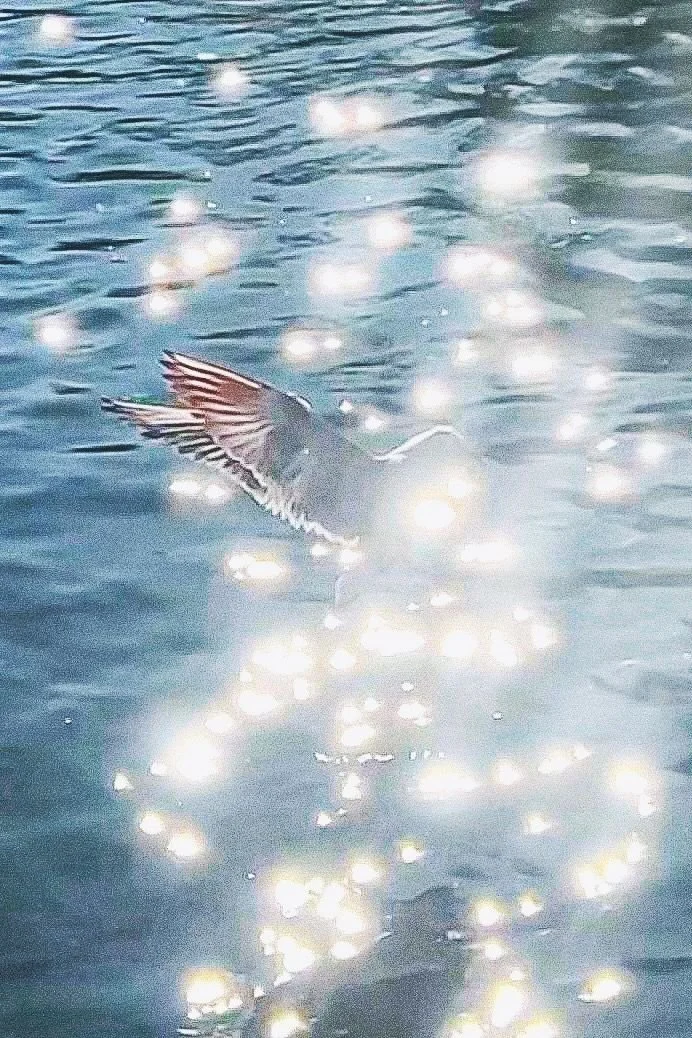
Water, shadow, and eroded textures recur across the series. What role does impermanence play in shaping your visual language?
I am drawn to what is fleeting because permanence is illusory; everything we attempt to hold onto already slips through our hands. I cannot command water to remain still, nor can I trap a shadow, but I try to work with impermanence, to collaborate with it and to recognize it not as a threat or an enemy, but as a presence that can guide, challenge, and teach me.
You reference wabi-sabi and the beauty of imperfection. How does this philosophy influence the way you approach both composition and subject?
I seek to let the work unfold, allowing textures, light, and forms to emerge naturally. When choosing subjects, I am drawn to what is fleeting, fragile, or overlooked: the cracks in a surface, the ephemeral quality of light, and the traces left by absence.
Wabi-sabi reminds me that beauty is not fixed or idealized. My goal is to invite the viewer into that space, to recognize their own vulnerability and the quiet poetry in imperfection.
In terms of composition, I am drawn to asymmetry, negative space, and subtle irregularities, elements that allow tension and fragility to coexist.
How does this body of work sit within your wider artistic trajectory? Does it feel like a continuation, or is it marking a new threshold in your practice?
Before, I was exploring intensity and rupture. Now, I am more interested in refinement and restraint. It marks a step into a practice that feels closer to my current inner rhythm.
More patient. More gentle.
It feels intentional. It feels chosen.
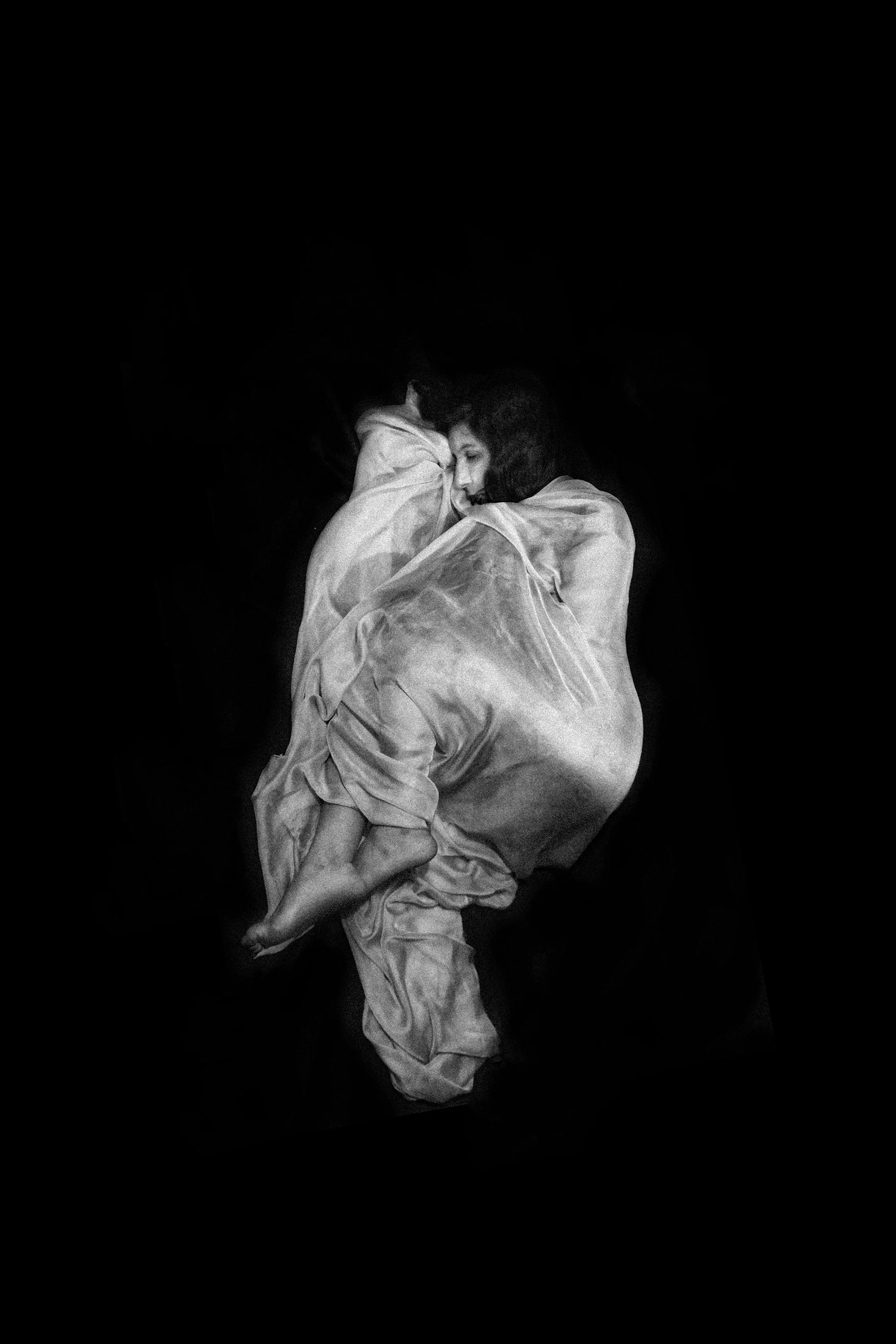
You speak of creating a safe place where presence and absence meet. What does “safety” mean to you in your art?
For me, safety is the permission to fully exist. A feeling where vulnerability is not seen as a weakness, but as a strength. It is the ability to breathe and be seen without needing to perform, where the absence can be just as meaningful as presence. Absence of performance, of expectation, of needing to show or prove anything. To breathe without strategy, feel without judgment, and notice without interruption.
As your practice continues to evolve, what ideas or questions are you currently exploring?
Currently, I’m exploring the concept of beauty as a form of escapism. A way to pause and notice what is often overlooked. How to turn a fleeting moment into a beautiful memory. The beauty seen as an experience, and the way perception shifts when attention is held.
And in this process, I shed what is not aligned, making space for what is essential to emerge.
Do you have any advice you’d like to part with for other artists?
If I could offer insights, it would be to pay attention to what moves you, even quietly. Follow your curiosities and don’t be afraid of what feels uncomfortable or uncertain.
Let your work be a reflection of your attention, your presence, and your honesty, rather than what you think others want to see.
If you were to distill the essence of your current artistic focus into a single sentence, what would it be?
I study fleeting moments and shape them into sacred spaces where presence becomes a quiet redemption.