
Giovanna Pangia |Interview
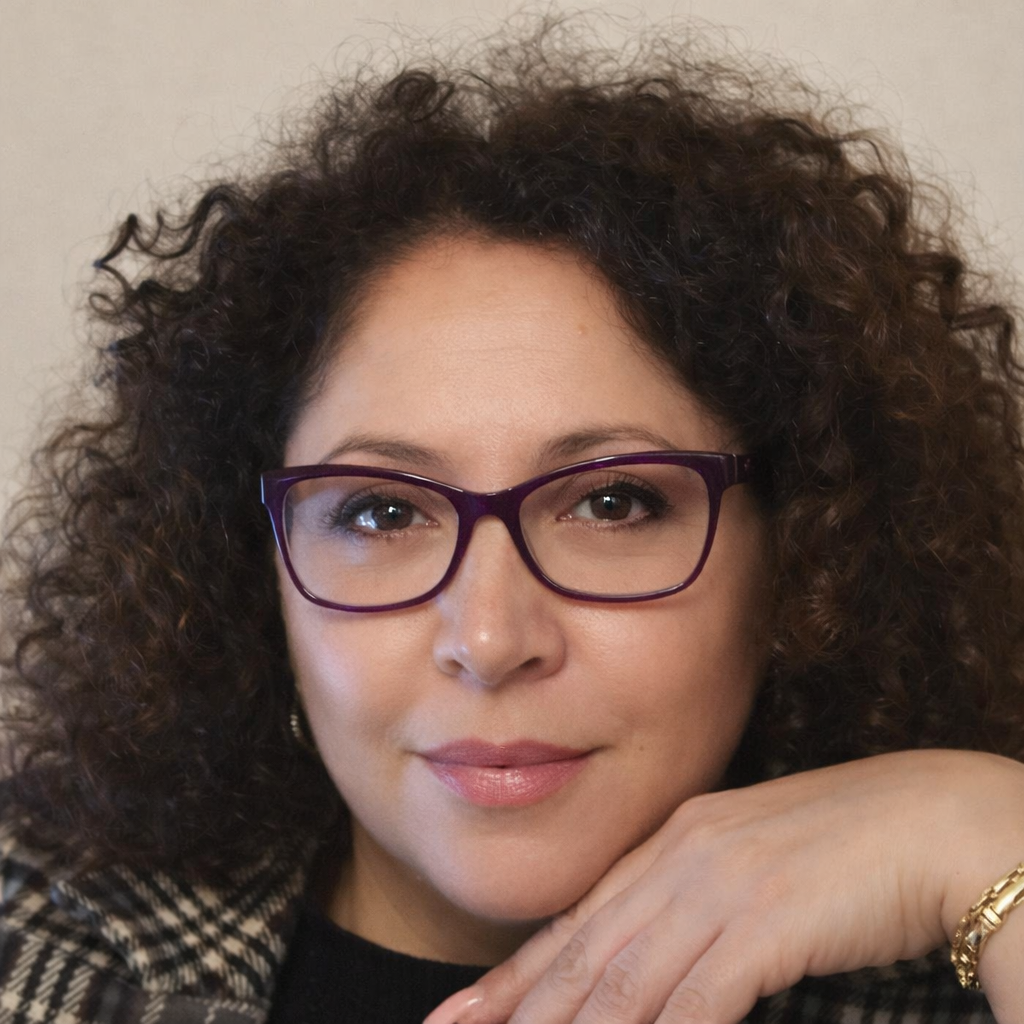
Pictured: Artist Giovanna Pangia
“My motto is: I don’t trust the process; I only trust myself.”
Giovanna Pangia’s practice moves between painting and spatial thinking, where the canvas becomes a constructed surface shaped by material, texture, and intention. Her works are built deliberately, forming layered compositions that extend beyond the purely visual.
In the following conversation, Pangia reflects on process, material, and the evolving nature of connection within her work.
How would you describe your practice at this point in your journey – and what feels most central to your work right now?
At this point in my journey, I feel that I’ve entered a new chapter of my practice. Turning fifty marked a meaningful threshold—one that initiated a renewed phase of experimentation, particularly in my relationship with materials. My work is increasingly moving toward a physical and sensory exploration of the surface. On the canvas, I use not only paint but also a range of materials in different forms and textures, creating a sense of three-dimensionality. I’m working at the intersection of painting and space, transforming the canvas into a layered, living site where material itself becomes an active part of the language and meaning of the work.
Your work often explores ideas of presence, plurality, and being “among many.” What themes or questions tend to surface most consistently in your practice, even when they aren’t consciously planned?
The relationship between the individual and the collective is a constant in my work—society observed through intimacy. Love and its edges also return frequently, always filtered through a personal gaze. I often work in diptychs and triptychs, placing perspectives side by side to tell stories whose nuances and contradictions cannot emerge within a single painting. Each part speaks to the other, like voices that remain singular while sharing a common tone.
Can you share a little about your creative process, how a work typically begins, and how it develops into an experience for the viewer?
Nothing in my work is accidental. I always begin with the idea—what I want to say—and only afterward decide how to say it: the medium, structure, colors, forms, and timing. Nothing is random; even imperfection is a deliberate and meaningful choice. My works often benefit from a brief introduction: the title or a concise text reveals the idea and orients the gaze without closing it. Every element contributes to building a relationship with the viewer and opening the work to multiple readings.
What has been influencing or shaping your work recently, either conceptually or emotionally?
My life experience. We all have a story to tell, but the eyes of fifty see differently from those of twenty—slower, more attentive to nuance, less eager to fix meaning. I closely observe the world, society, and human beings. I’m deeply influenced by humanity and its emotions—fragility, desire, care, anger, tenderness. These elements enter the work as a subtle weave that holds the intimate and the collective together.
With works such as I Found You Among Many and Shine Among Many, do you see this body of work as a continuation of your ongoing research, or as a subtle shift in how you’re exploring presence and individuality?
Both. The diptych originates from a single concept that unfolds in two distinct modes. In Shine Among Many, the individual finds a path that allows them to become unique and radiant. In I Found You Among Many, I narrate the miracle of encounter: two individuals who recognize one another among many and, through that recognition, shine together. It continues my research into presence-in-relation while evolving in tone—from the radiance of the one to the light that is shared.
When viewers encounter your work, what do you hope they experience?
I hope they feel drawn into the story—invited to step into the space with curiosity and to sense themselves as part of the process. More than anything, I hope the experience inspires them to create something of their own: to take away a seed of a story, a gesture, or a line that can continue growing in their lives.
As you continue your research and art practice, what questions or directions are you currently leaning into or becoming more curious about?
I’m deepening my work in performance. I’ve submitted several projects that, if accepted, will allow me to build a direct and personal relationship with the audience, who become active participants. The throughline is catharsis. In a time marked by confusion, speed, and the increasing presence of AI, what I want to honor is our humanity. I bring emotions and fears onto the stage so they can be faced with courage and shared. Performance becomes a space to move through them together, with tenderness and presence.
Are there any upcoming projects, exhibitions, or developments in your practice that you’re excited to share?
For me, safety is the permission to fully exist. A feeling where vulnerability is For 2027, I’m preparing an intimate, performative solo exhibition composed of ten rooms, each conceived as a passage of rediscovery and healing. In the meantime, this year—alongside several group exhibitions and while awaiting the outcome of my performance proposals—I’m also organizing a competition in my hometown dedicated to women artists. The prize will be awarded on November 25, the International Day for the Elimination of Violence against Women.
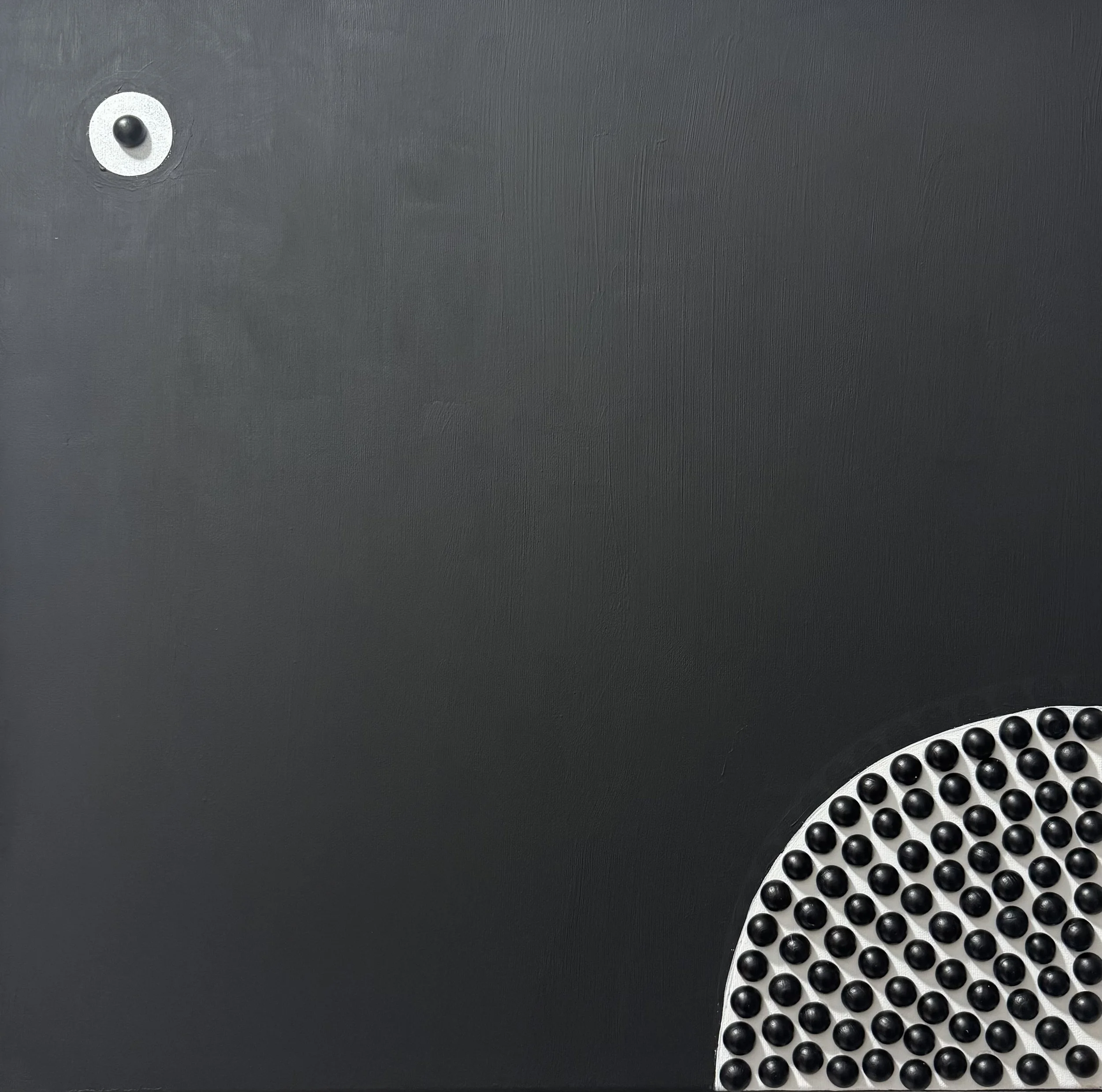
Shine Among Many (acrylic and wood, 50x50).
Contact artist directly for price and to purchase.
If you had to describe your current artistic focus in one sentence, what would it be?
My motto is: I don’t trust the process; I only trust myself.
From your experience, is there anything you’ve learned through your practice that you would share with other artists navigating their own paths?
Don’t compromise yourself just to sell. Art is not decoration meant to please or simply beautify rooms—it must remain the exact vision each artist has of the world and reality. My advice is to trust who you are. Someone, even within a niche, will resonate deeply with your essence.
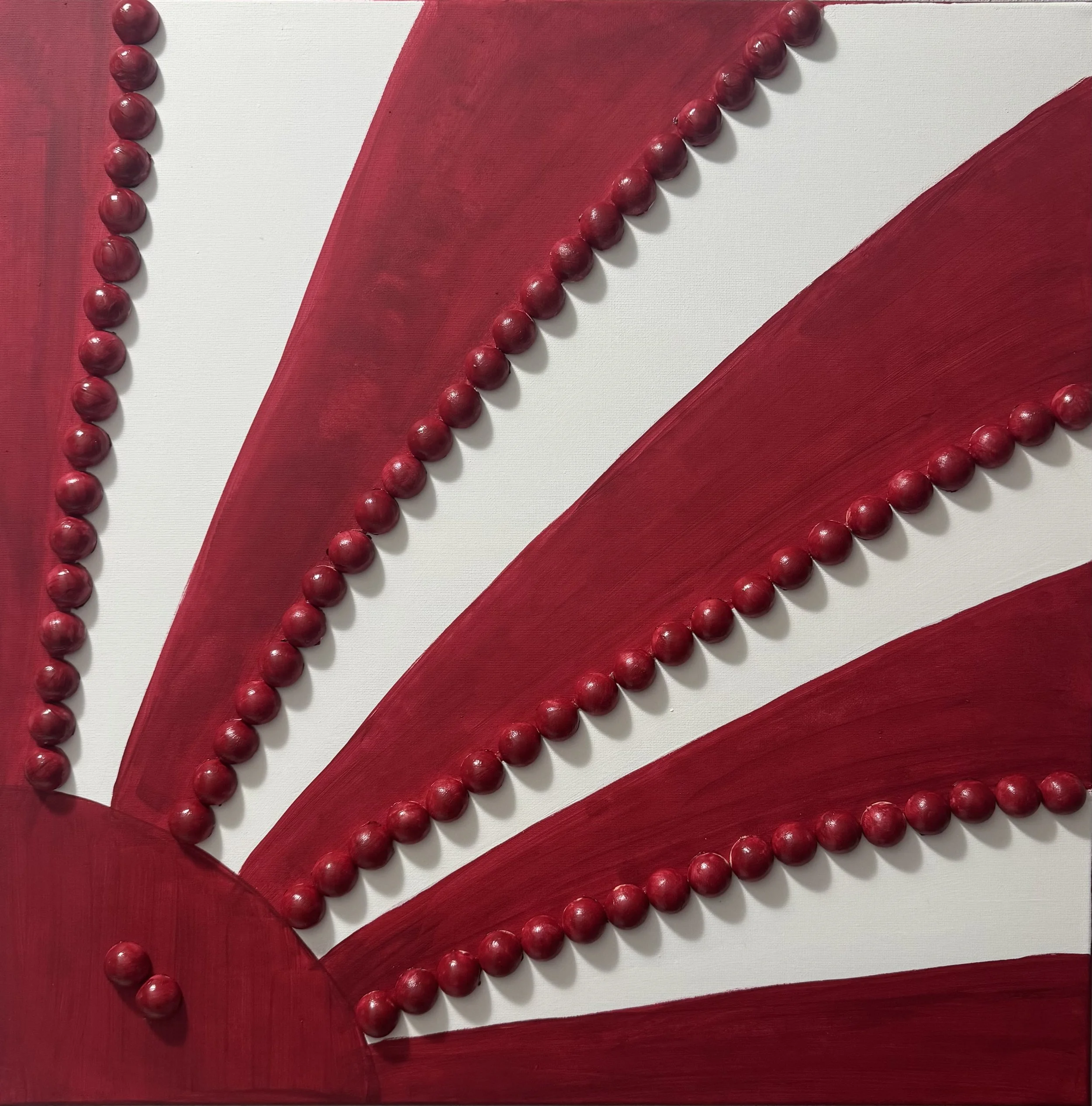
I Found You Among Many (acrilic and wood, 60×60).
Contact artist directly for price and to purchase.