
György Sütő |Interview
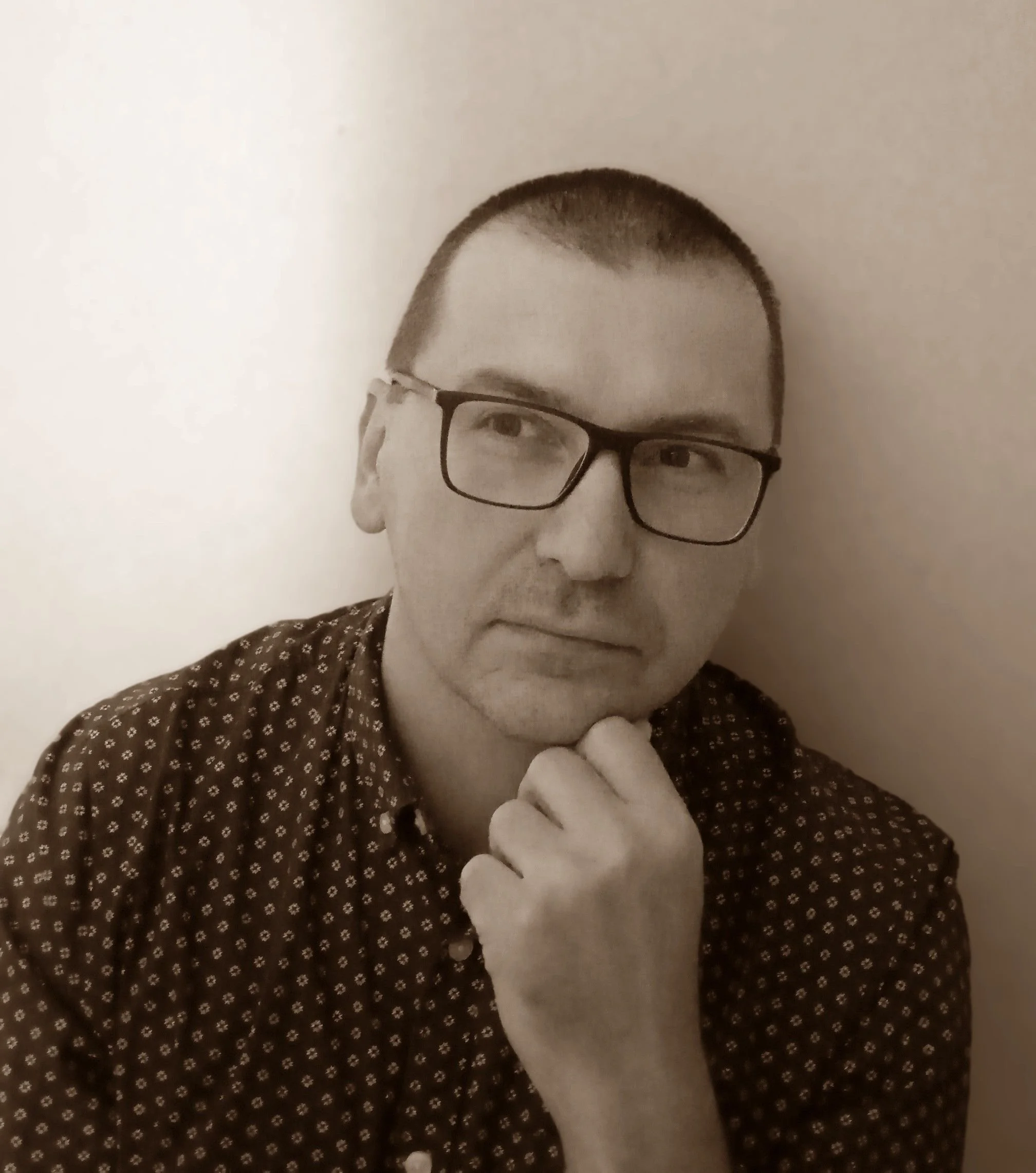
Pictured: Artist György Sütő
“I try to give form to invisible emotional processes, revealing the dignity that persists even within human fragility.”
György Sütő’s practice turns inward, using acrylic on canvas and airbrush technique to explore memory, vulnerability and the fragile emotional states that shape human experience. Informed by his work as a caregiver, his paintings move through fragments of feeling, silence and inner light, giving visual form to what often remains unseen.
In the following conversation, Sütő reflects on caregiving, emotional depth, memory, and the process of transforming inner experience into image.
György, how would you describe your practice at this point in your journey - and what feels most central to your work right now?
My practice has become increasingly inward‑focused. I no longer paint what I see, but what I feel. My work centers on the fragile emotional states that shape human experience — fear, loneliness, dignity, and the quiet tensions that live beneath the surface. What feels most central now is exploring the inner landscape where these emotions form and transform.
Your work explores deep emotional states, memory, and inner experience. What themes or questions tend to surface most consistently in your paintings, even when they aren’t consciously planned?
Themes of vulnerability and existential fear return again and again. The fragility of the human condition, the weight of memory, the traces of trauma, and the tension between isolation and connection often emerge without conscious intention. Organic and biomechanical forms become metaphors for these internal processes — the way the psyche stores, reshapes, and sometimes distorts experience.
Can you share a little about your creative process - how a painting typically begins, and how it develops from initial idea to finished work?
Most paintings begin with a feeling rather than a concept. Often it’s a tension I carry inside — a mood, a fragment of memory, or an emotional residue from my work as a caregiver. I start with loose forms, letting shapes and shadows emerge intuitively. The airbrush allows me to build delicate transitions, as if the image is slowly materializing from mist. The process is fluid and open‑ended; the painting often leads me somewhere unexpected, and I follow.
Your experience as a caregiver informs much of your work. How has this perspective shaped the way you think about memory, perception, and emotional depth in your practice?
Working as a caregiver has profoundly changed the way I see people. I witness vulnerability, decline, fear, and loneliness every day — but also tenderness, resilience, and dignity. These experiences have deepened my understanding of memory and perception. I’ve learned that emotional truth often hides beneath the surface, and painting has become a way to process and transform what I absorb. It helps me make sense of the weight I carry from these encounters.
Does the work you’re presenting now feel like a continuation of your exploration of memory and inner light, or has something shifted in how you’re approaching these ideas?
It is a continuation, but something has shifted. The themes remain the same, yet I approach them with greater honesty and vulnerability. The new works feel more intimate, more raw. I allow darker emotions to appear without softening them, and I explore the subtle light that still exists within them.
How does this feature fit within your practice at this moment, and what feels significant about sharing this work now?
This feature arrives at a meaningful moment. I’m in a phase of deeper introspection, and sharing these works now feels like opening a door into that inner space. It’s significant because it confirms that the personal journey I’m on resonates beyond my own experience — that others can find themselves in these images.
When viewers encounter your paintings, what do you hope they feel or reflect on
I hope they pause. I hope the paintings invite them into a quiet, reflective state where they can recognize something of their own inner world — their fears, their fragility, their longing. I don’t aim to dictate an emotion; I want to create a space where viewers can meet themselves.
As your practice continues to evolve, what directions, questions, or emotional territories are you most interested in exploring next?
I’m drawn to the thresholds between consciousness and the subconscious — the places where memory blurs, where trauma leaves its imprint, where the body and the psyche intersect. I want to push further into the symbolic language of organic and biomechanical forms, and explore how they can express the complexity of human experience.
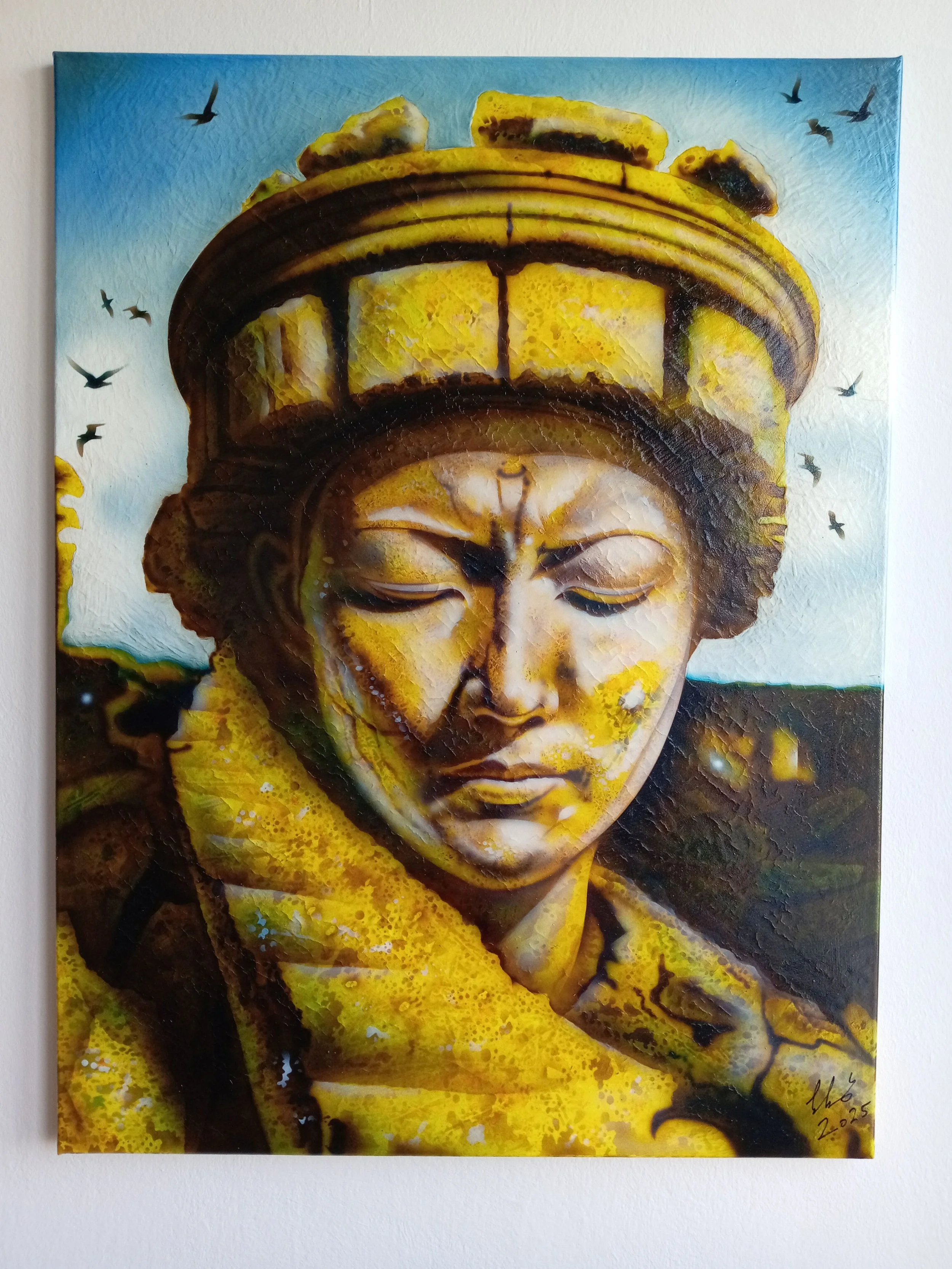
Fragments
Contact artist directly for price and to purchase here: https://gysutoart.com/
Are there any upcoming projects, exhibitions, or developments in your practice that you’re currently working toward or excited about?
Yes, I’m working on several new series that delve even deeper into personal emotional landscapes. I’m also preparing for future international features and exhibitions, which will allow these works to reach a broader audience.
From your experience, is there anything you’ve learned through your artistic and caregiving journey that you would share with other artists navigating emotionally driven practices?
Be honest with yourself. Emotional depth isn’t always comfortable, but it’s where the most meaningful work is born. Give your inner processes time — they can’t be rushed. And remember that caring for others, or for yourself, doesn’t weaken your art; it enriches it.
Lastly, if you had to describe your current artistic focus in one sentence, what would it be?
I try to give form to invisible emotional processes, revealing the dignity that persists even within human fragility.
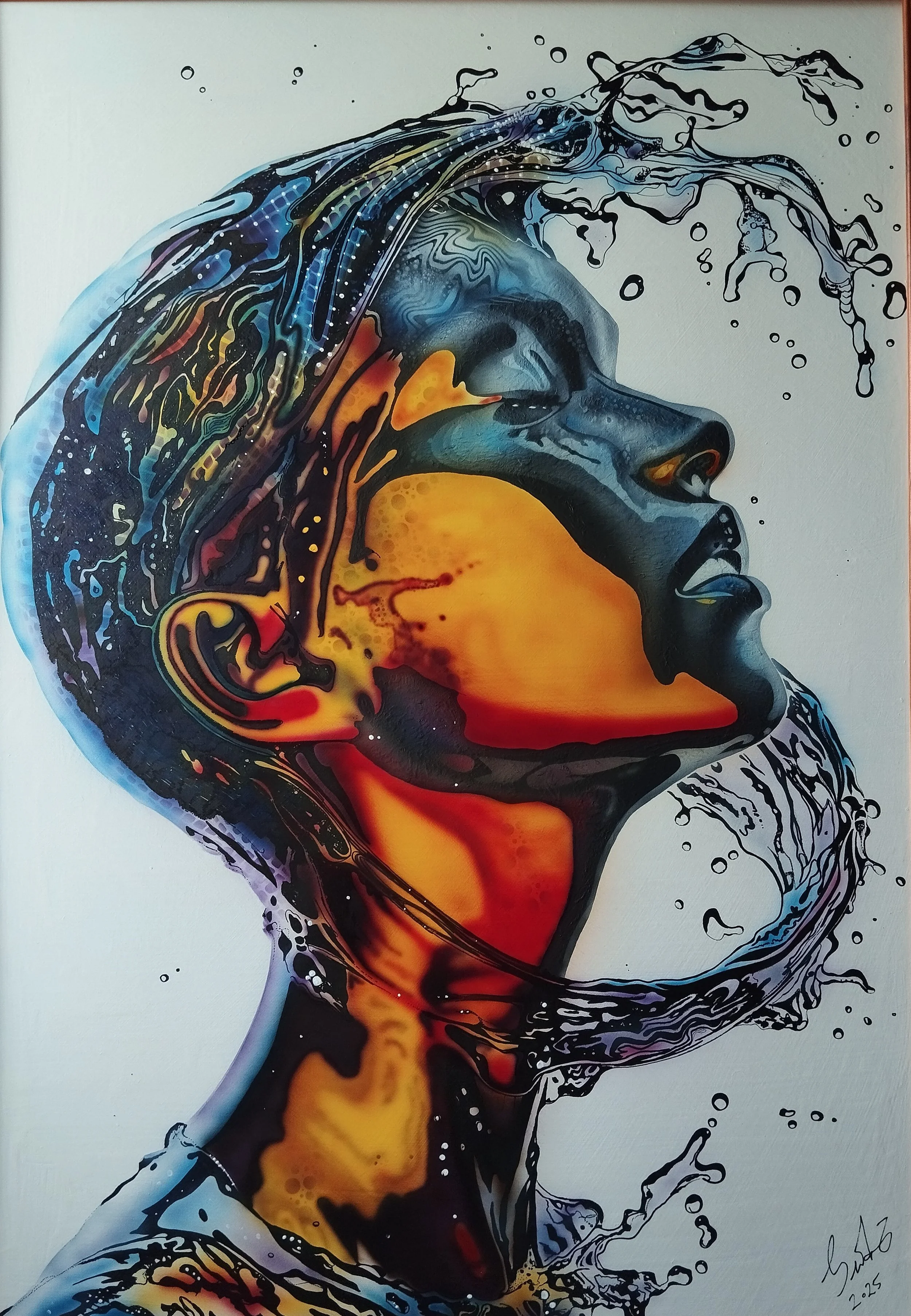
The Inner Light
Contact artist directly for price and to purchase here: https://gysutoart.com
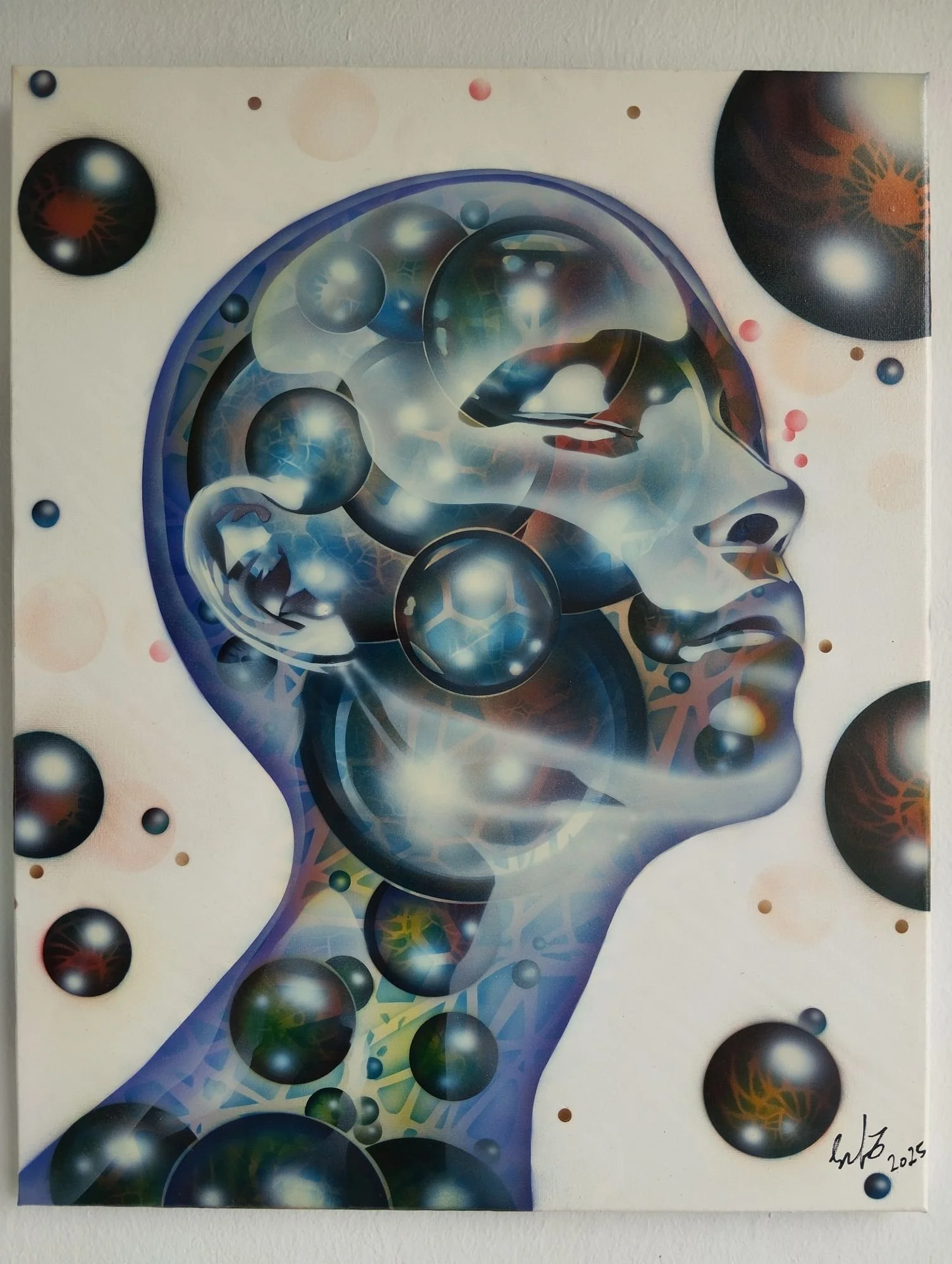
A Soul Encased In Amber
Contact artist directly for price and to purchase here: https://gysutoart.com