
Chen Chen | Interview
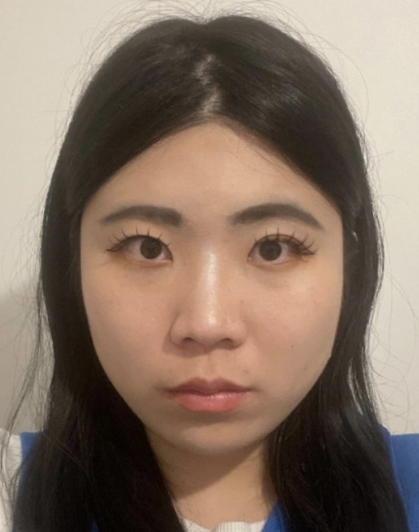
“ I hope viewers leave with a sense of curiosity and reflection, carrying forward questions rather than fixed answers. If the work encourages even a brief reconsideration of how we understand ourselves, others, and the world around us, then it has achieved something meaningful.”
Editor’s Introduction
Chen Chen was selected for this interview and feature by The Alchemical Art following a review of her portfolio and artistic practice by our editorial and curatorial team. Her work was chosen for inclusion within our editorial programme because of its distinctive visual language, conceptual depth and thoughtful exploration of memory, identity and cultural transformation. This feature reflects our independent professional interest in presenting her practice to our international readership.
Chen Chen is an emerging mixed media visual artist whose practice moves between digital media, oil painting, installation, visual research and interdisciplinary experimentation. Their work explores emotional states, memory, identity, belonging and cultural transition, often creating reflective spaces where personal experience and collective memory begin to overlap.
Working with geometric visual language, delicate colour palettes, layered imagery and material experimentation, Chen Chen approaches art as a form of inquiry. Rather than offering fixed narratives, their work invites ambiguity, reflection and dialogue, asking viewers to consider how memory, place and transformation shape the way we understand ourselves and the world around us.
In this interview, Chen Chen discusses artistic research, transformation, cultural identity, material experimentation and the importance of remaining open to uncertainty within the creative process.
How would you describe your artistic practice at this point in your journey?
At this point in my journey, I would describe my artistic practice as research-led, interdisciplinary, and exploratory. I use artistic production as a way of investigating questions that emerge from personal experience, cultural observation, and theoretical inquiry.
What feels most central to your work right now?
What feels most central to my work right now is transformation—how people, places, and memories evolve over time, and how art can make these processes visible.
What themes, ideas, or questions are you currently exploring through your work?
I am currently exploring themes of identity, memory, belonging, cultural transition, and the relationship between personal and collective narratives. I am interested in how individuals navigate shifting social and cultural landscapes.
Can you tell us about the artworks you are presenting with The Alchemical Art, and what ideas connect them?
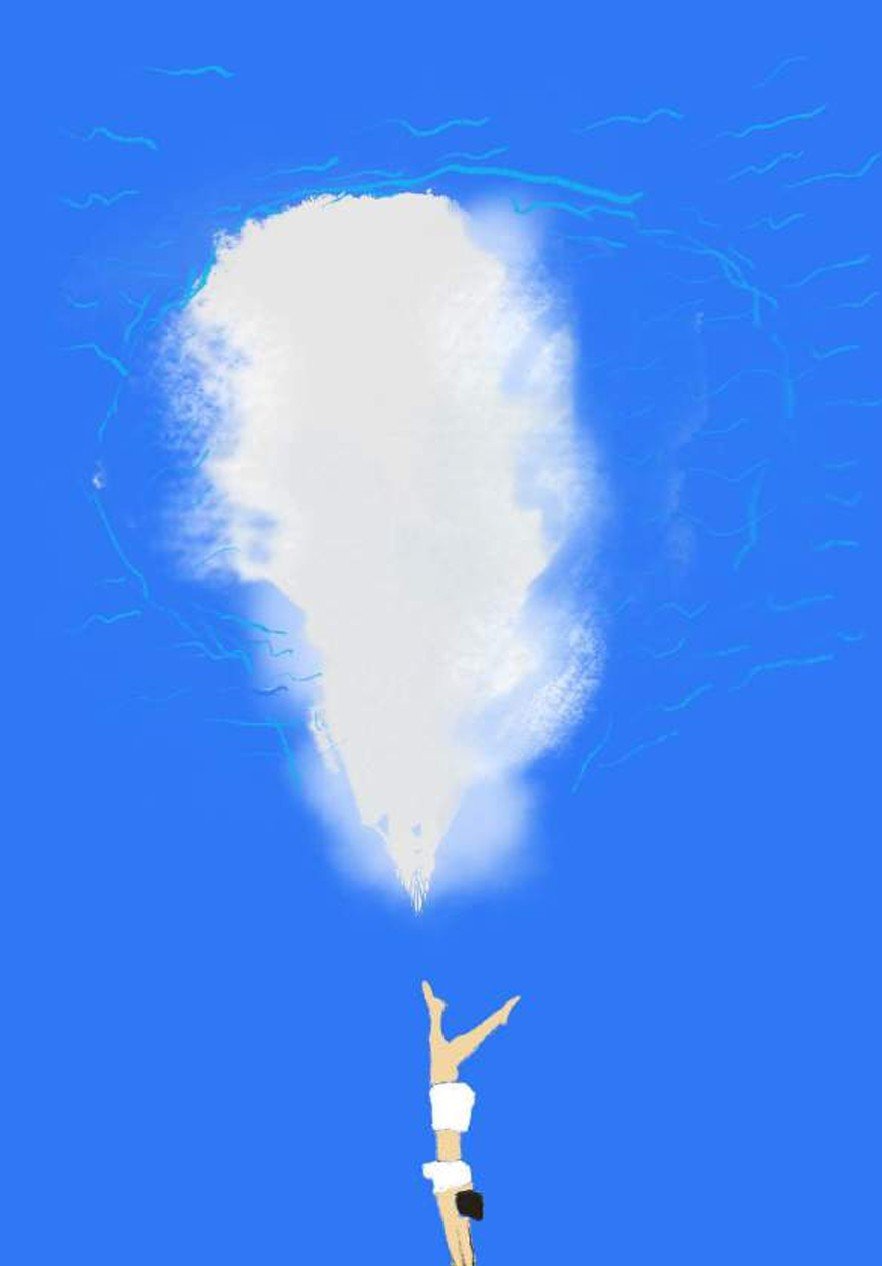
The artwork presented with The Alchemical Art reflects these ongoing interests. Through its visual language, material choices, and compositional structure, the work explores transformation and the ways meaning is constructed through memory and perception. I hope viewers will spend time with the subtle details and consider how their own experiences influence the way they interpret the work.
How does your process usually begin, and how does a work tend to develop?
My process usually begins with a question, observation, or fragment of research. From there, I gather visual references, notes, and materials before moving into experimentation. The work develops through an ongoing dialogue between intention and discovery, allowing unexpected connections to emerge throughout the making process.
What has been shaping this body of work, or your practice more broadly, at this moment?
This body of work has been shaped by ongoing research, personal reflection, and observations of contemporary social and cultural change. I am interested in how broader historical and cultural forces intersect with individual experiences.
Are there particular materials, gestures, symbols, places, or visual languages that feel important in your work?
Symbolism, layered imagery, traces of memory, and processes of transformation are recurring elements in my work. I am drawn to visual languages that allow multiple interpretations and encourage sustained engagement from viewers.
What drew you to present your work with The Alchemical Art?
I was drawn to present my work with The Alchemical Art because of its commitment to supporting diverse contemporary artistic voices and creating meaningful opportunities for dialogue between artists and audiences.
What does visibility, exhibition, or being featured mean to you at this stage of your practice?
Visibility and exhibition opportunities are important because they allow the work to enter new contexts and conversations. At this stage of my practice, being featured provides valuable opportunities for exchange, reflection, and professional development.
What are you currently curious about, experimenting with, or moving toward in your work?
I am currently interested in expanding the relationship between artistic research and material experimentation. I am exploring new ways of integrating conceptual inquiry, visual language, and audience engagement within my practice.
What advice do you have for other artists?
My advice to other artists is to remain curious, trust the development of their own voice, and allow experimentation to be part of the process. Meaningful work often emerges through persistence, reflection, and openness to uncertainty.
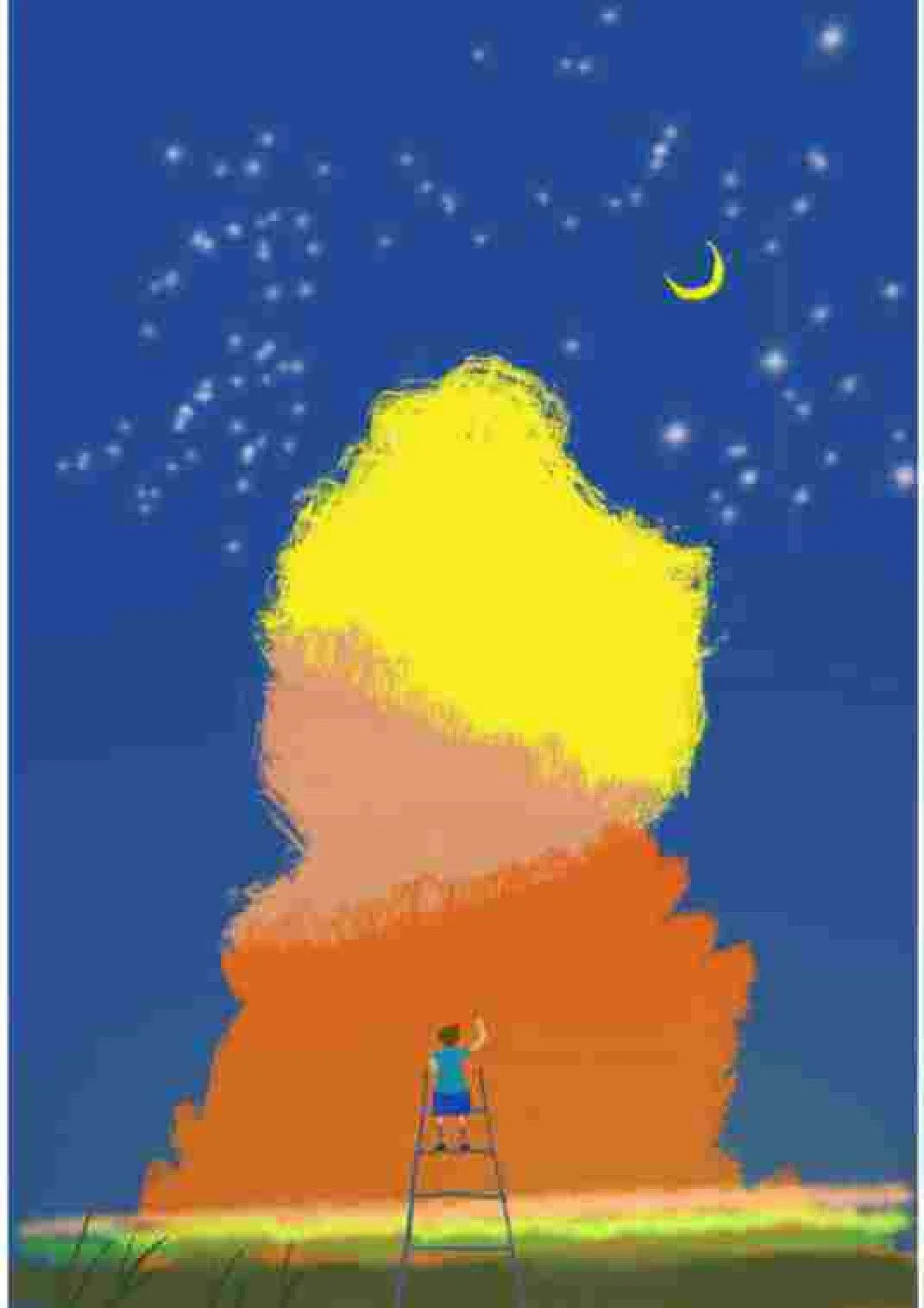
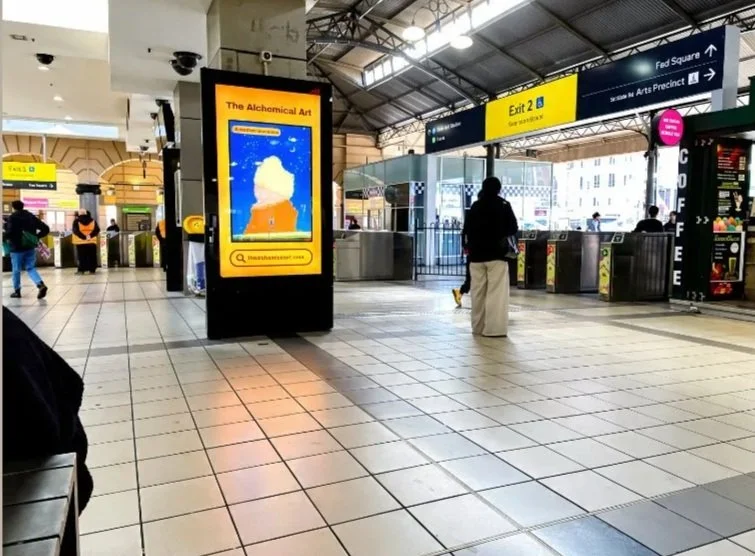
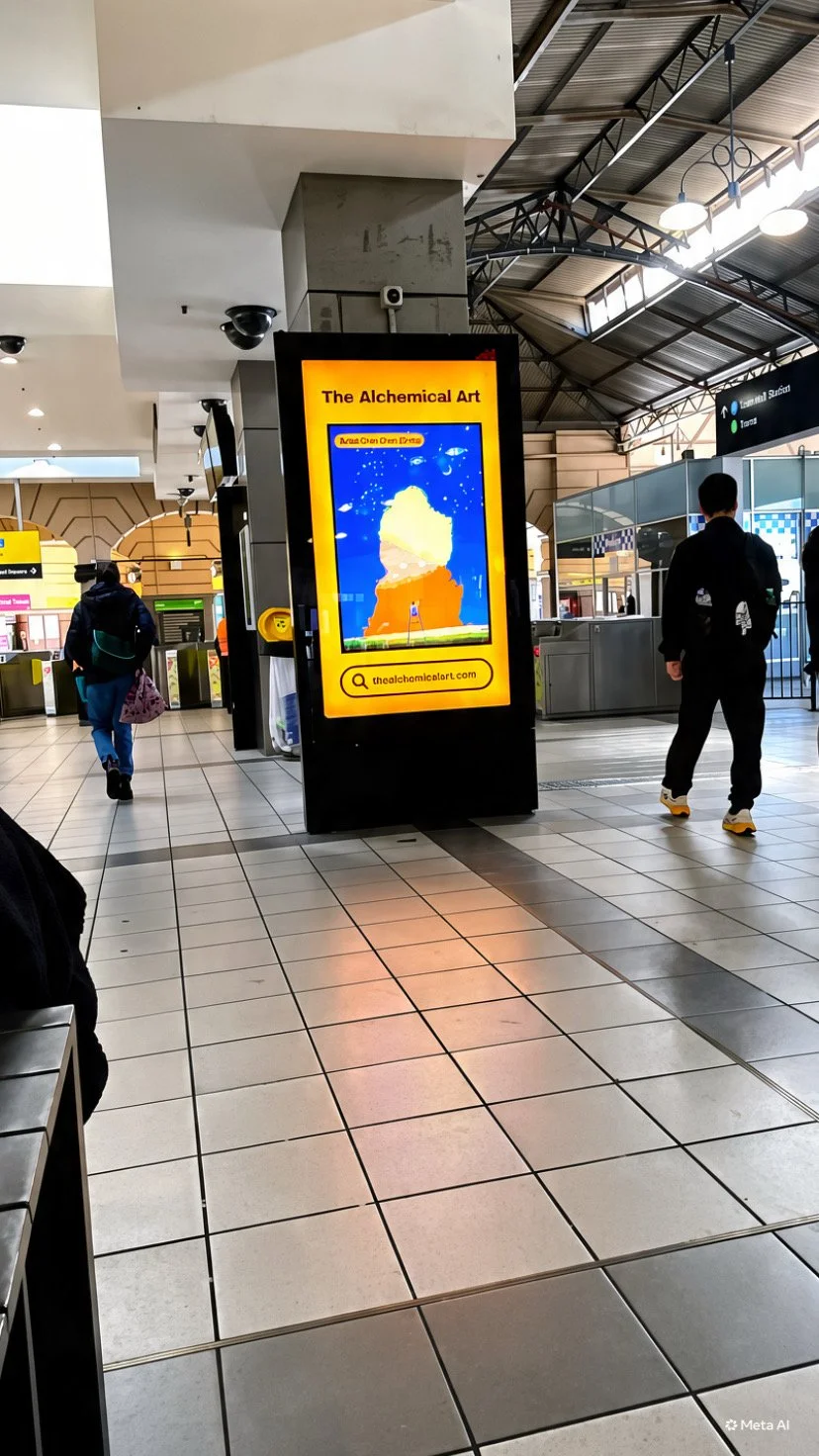
Above & Below: The artist was featured on public billboards in Melbourne city at landmark Flinders Street Station.
Artist Bio:
My artistic practice sits between contemporary art, visual research, and cultural inquiry. Through image-making, installation, and interdisciplinary experimentation, I investigate the ways memory, identity, place, and transformation shape human experience. Rather than presenting fixed narratives, my work creates spaces for reflection, ambiguity, and dialogue, inviting viewers to consider the layered relationships between personal histories, collective memory, and contemporary social realities. I am particularly interested in processes of becoming—how individuals and communities negotiate change, displacement, belonging, and cultural inheritance. Drawing from both research and lived experience, I use artistic practice as a method of inquiry, allowing materials, images, and concepts to interact in ways that reveal hidden connections and alternative perspectives. My work often combines intuitive making with critical reflection. Through this approach, I seek to create works that are visually engaging while also opening conversations about perception, memory, and the complexities of contemporary