
Magnus Østermann | Interview
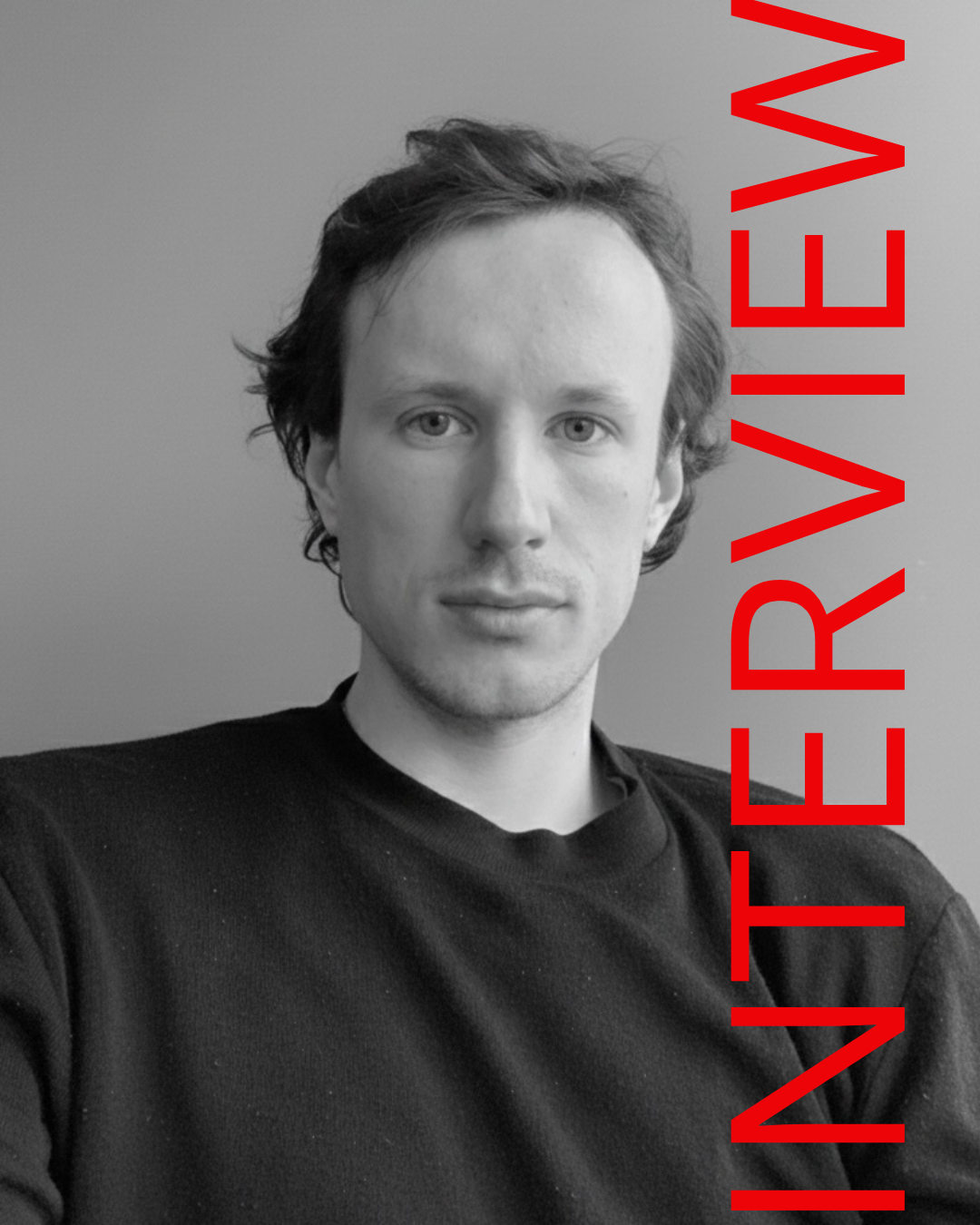
Pictured: Artist Magnus Østermann
“My process is always the same. I walk around with my camera trying to escape the voices in my head. When I come home, I edit to shut up the voices in my head. And then when I wrap it up, I think “that’ll show them!” But it never does.
”
Magnus Østermann is a 27-year-old photographer whose practice is shaped by obsession, grief, colour and cinematic intensity. After studying film in Berlin and later leaving film school, he moved to Athens, where he created his debut photo series Escape From Berlin. His work carries the atmosphere of a film still, but also something more unstable: a sense of movement, rupture and the emotional aftermath of leaving something behind.
In this interview, Magnus discusses Field, image number 15 of 39 in Escape From Berlin, which he describes as “a director’s dead dreams.” The work sits between ending and beginning, beauty and unease, stillness and the feeling that something is about to arrive. Across the conversation, he reflects on grief, discipline, colour, spirituality, Berlin, Norway, and the belief that even after collapse, there is still something to build.
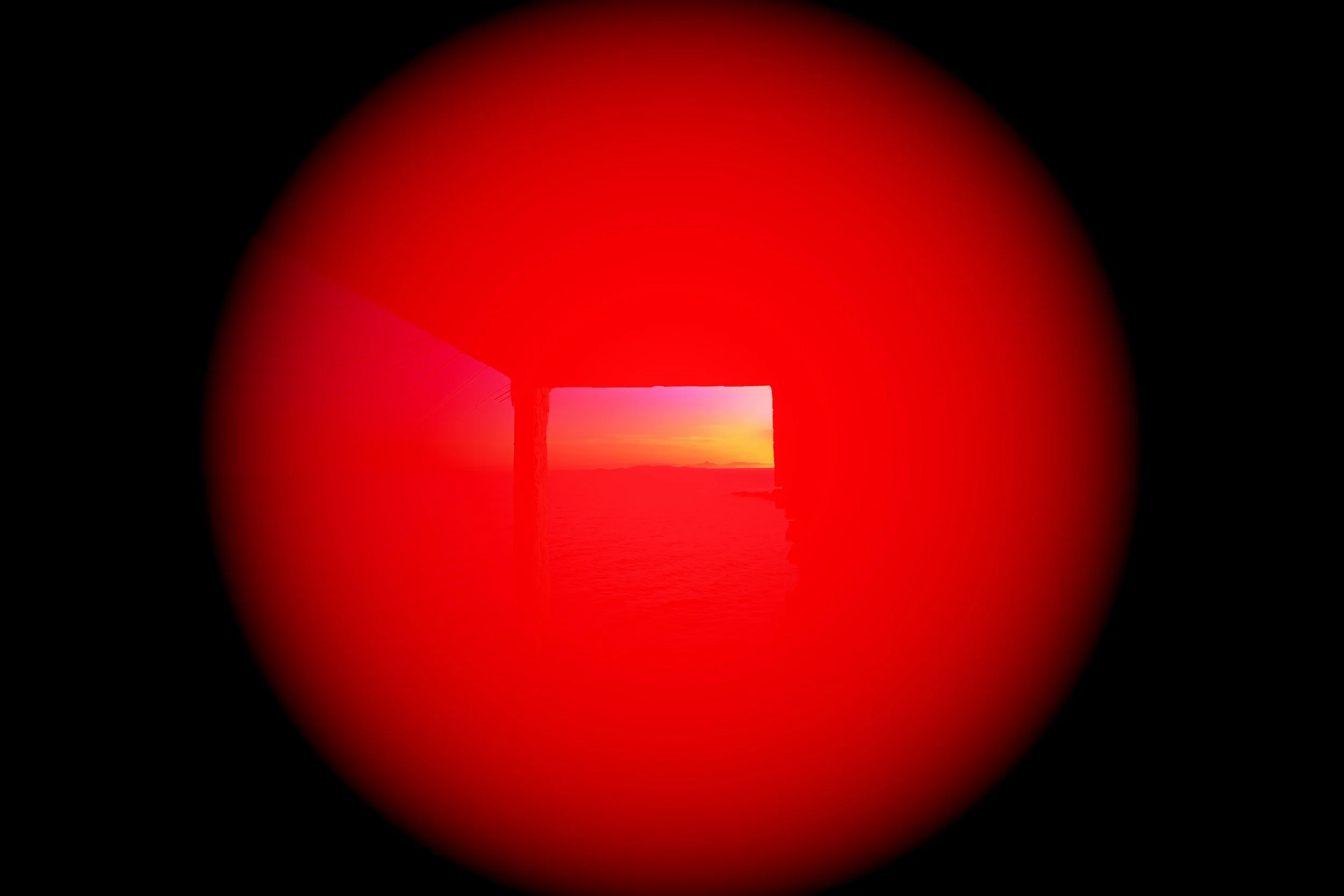
Paranoid in Paradise
Fine art photography by Magnus Østermann, 75 × 50 cm.
How would you describe your artistic practice at this point in your journey?
I would describe my artistic process as quite obsessive. I edit like a maniac because I can’t move on. So I sit there with the same photos and try to extract my vision as ruthlessly as possible. There are photos in my mind that I have been chasing all my life. And they will only come to life by obsessing over the ones I already have. Obviously because the photos in my mind doesn’t exist.
What feels most central to your work right now?
Grief is by far most central in my work at the moment. Hopefully not forever. But always, a certain surreal, colorful and strong romantic motive, has always been and will always be.
Although right now my work is disrupted heavy by grief.
I’m grieving over a version of me which I idealized, but was unstable. Addiction means a lack of discipline, and discipline is the secret to building your own path.
What themes, ideas, or questions are you currently exploring through your work?
My case study in life will always revolve around unstable narratives, self-corruption, abandonment… the paranoia of knowing you’re living on borrowed time. Someone is coming to get you, so you better leave a nice trail behind you. You don’t want to seem guilty.
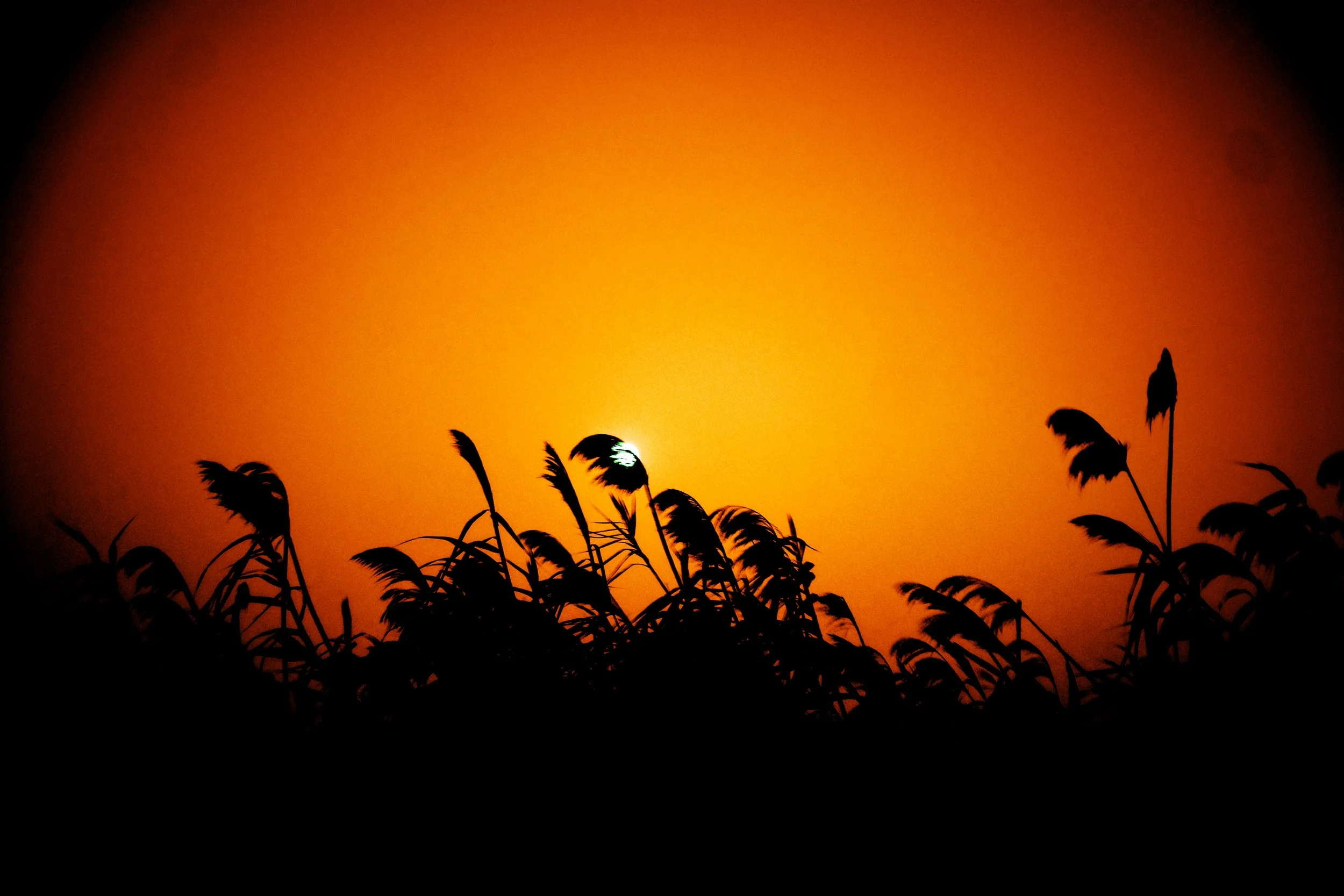
Field
A cinematic photograph from Magnus Østermann’s debut series Escape From Berlin
Can you tell us about the artworks you are presenting with The Alchemical Art, and what ideas connect them?
Regarding my submission for The Alchemical Art, ‘Field’ has a certain expiration to me. That’s not to say that it’s contemporary in any way. Rather that it feels like an ending to something. Time is ticking. It might be quiet now, but for how long? Is the storm coming, or has it passed?
‘Field’ is nr. 15 of 39 in ‘Escape From Berlin’ - my debut photo series. “A director’s dead dreams.”
There’s a certain unknowing to ‘Field’. It’s beautiful and romantic. But it’s not timeless. It’s an ending or beginning. It doesn’t have to be big or dramatic. It can just be the transition to an act. However, something is ticking.
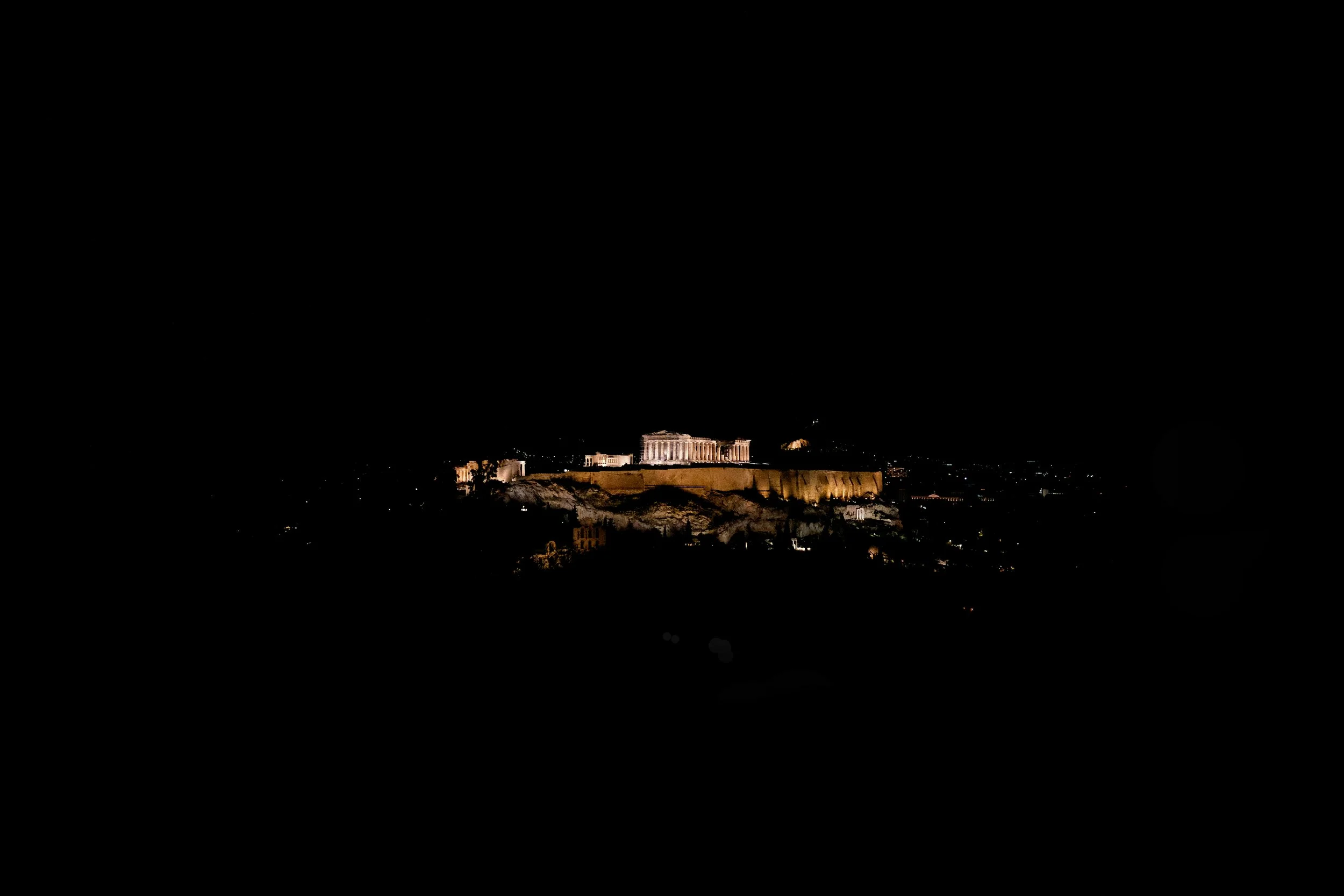
Ruins
Fine art photography by Magnus Østermann, 30 × 20 cm.
How does your process usually begin, and how does a work tend to develop?
My process is always the same. I walk around with my camera trying to escape the voices in my head. When I come home, I edit to shut up the voices in my head. And then when I wrap it up, I think “that’ll show them!” But it never does.
What has been shaping this body of work, or your practice more broadly, at this moment?
Grief has been shaping this body of work. Berlin has been shaping this body of work. As much as I want to escape that city, it scarred me so badly that my creativity got sharper and more precise.
I mean I always held my own artistry to a very conservative standard. And post-Berlin, the colors became more ruthless and strong. There wasn’t any room for experimentation or fine lines no more.
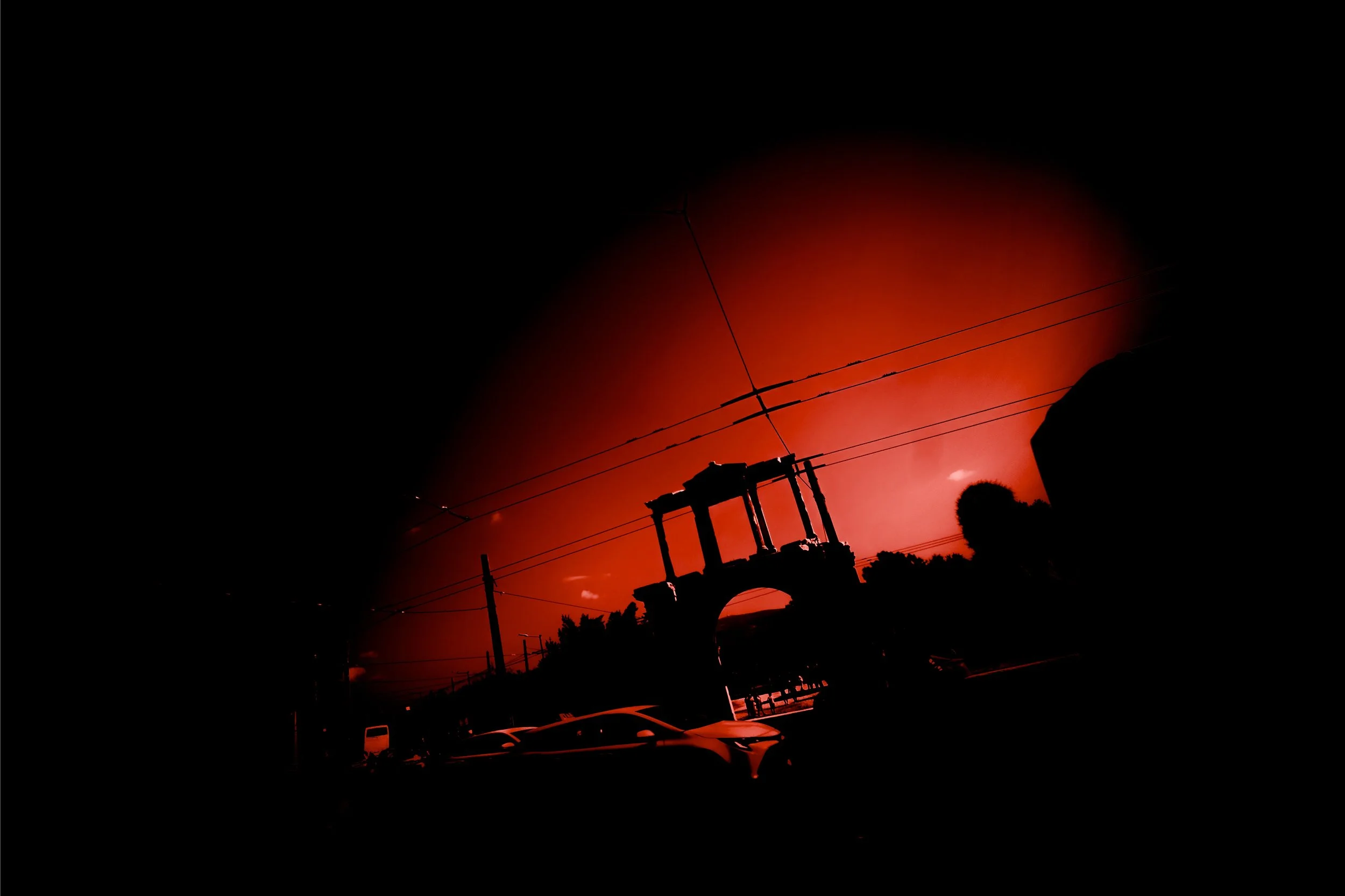
Gate
Fine art photography by Magnus Østermann, 75 × 50 cm.
Are there particular materials, gestures, symbols, places, or visual languages that feel important in your work?
Color is one of the most important elements in my works. It’s what I yearned for growing up in a grey, bitter, square Scandinavian world, despite being pretty damn bullet proof.
I ran off because I feared becoming a box myself. Fear of losing my creative expression. Yet I will always remain in debt to Norway.
Even when I tried to break free from the fatherland, I knew I had to obey it internally.
What drew you to present your work with The Alchemical Art?
I choose to believe in spirituality because I cannot go to bed without belief. The Alchemical Art showed me a tarot card and I said yes!
What does visibility, exhibition, or being featured mean to you at this stage of your practice?
To me, being able to show my work, to talk and to explore events, means that there’s life after film school.
What are you currently curious about, experimenting with, or moving toward in your work?
I’m looking forward to make an art film. I’m looking forward to making the second and third part of my photo series. I’m looking forward to keep posting on YouTube.
I’m looking forward to get to know more people from all over the world. I believe in the hand shake and I believe in building yourself up after internal collapse.
And with that, I look forward to what I can find in my soul if I keep digging, and keep perfecting my work.
What advice do you have for other artists?
My advice for other artists is to remember that the time will pass anyways. So you might as well get started on that big thing you think is too big for you to finish.
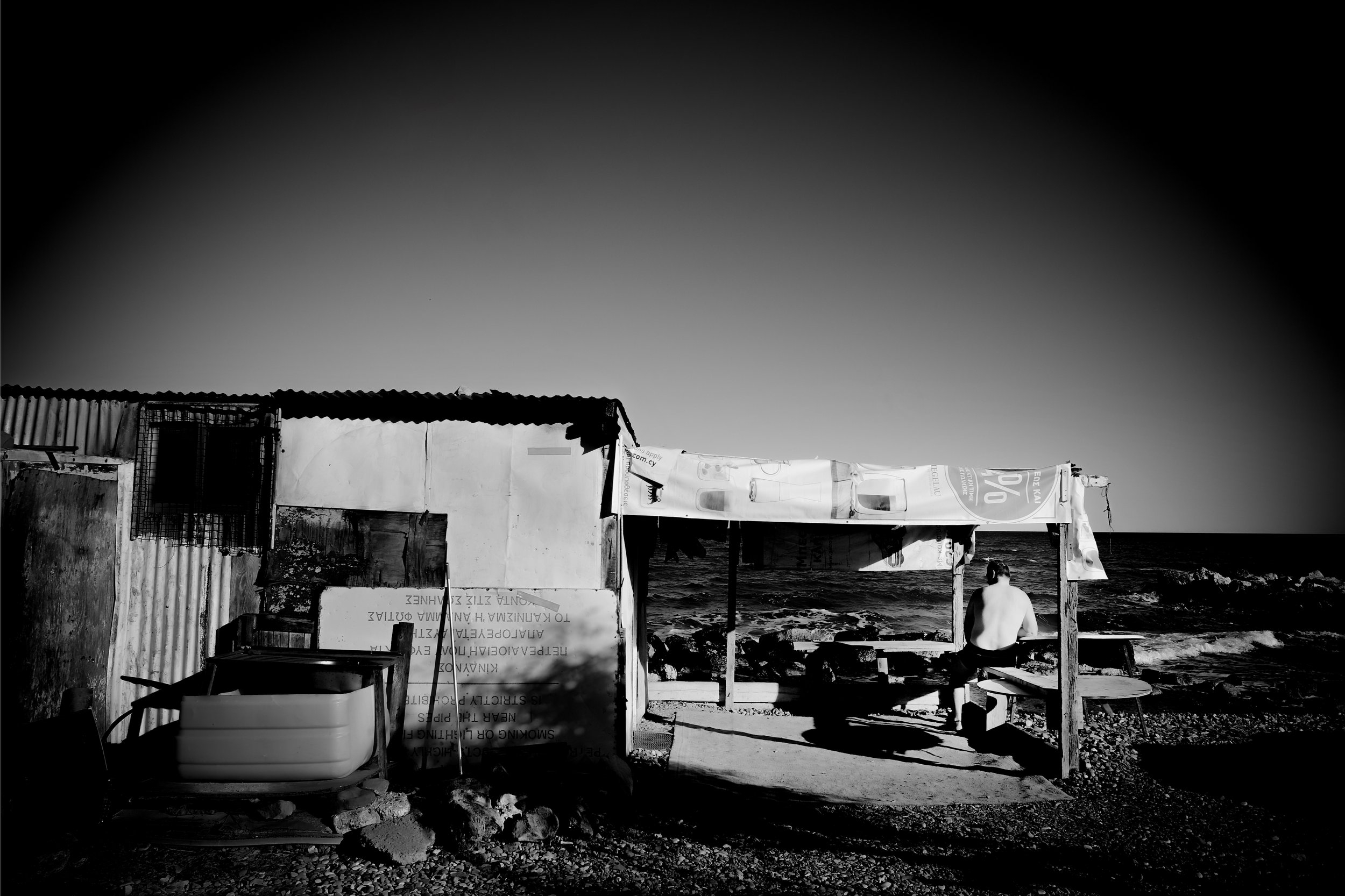
House By The Sea
Fine art photography by Magnus Østermann, 75 × 50 cm.
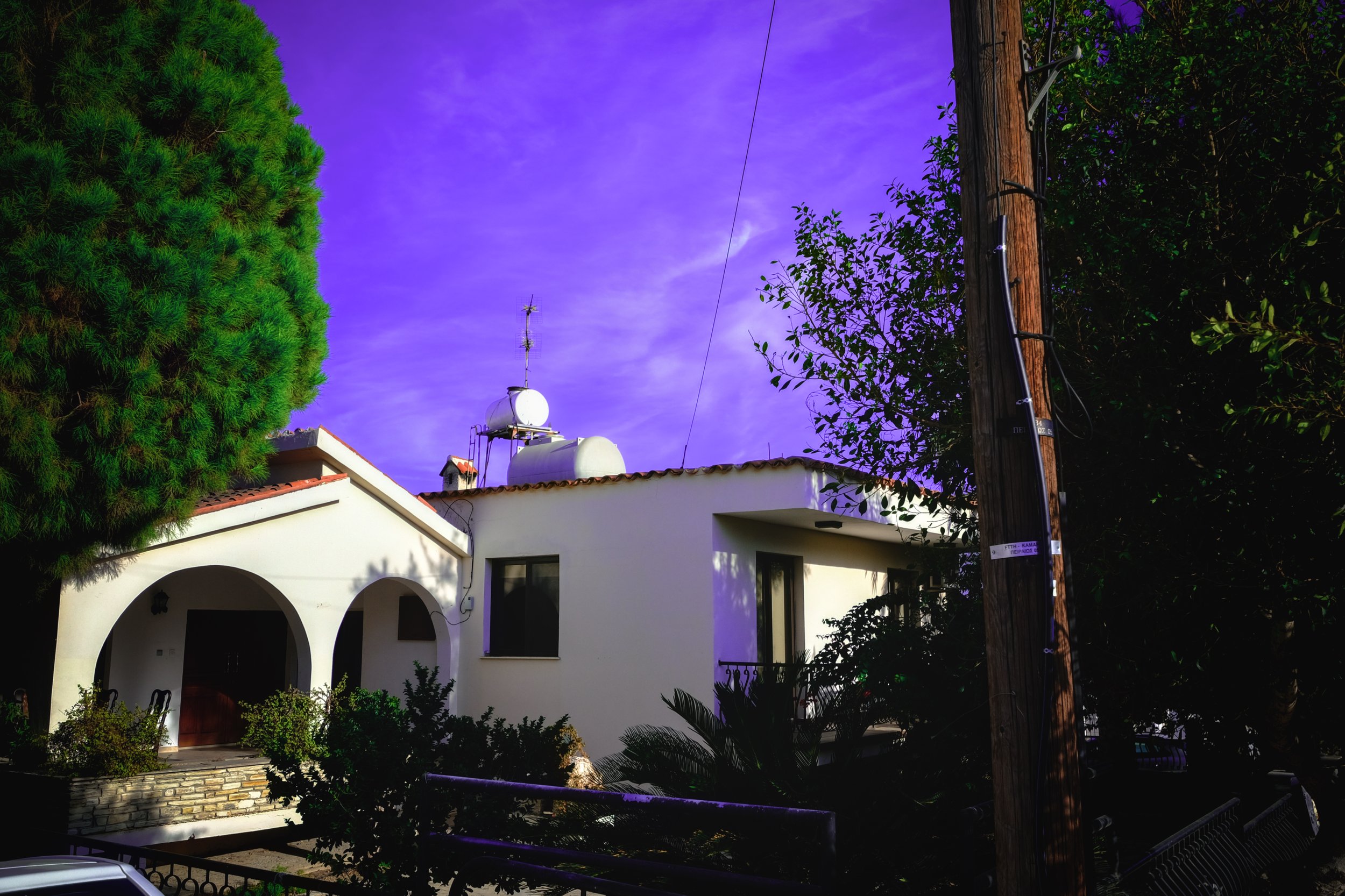
Cypriot Home
Fine art photography by Magnus Østermann, 75 × 50 cm.
Artist Bio:
Magnus Østermann is 27 years old. In his early twenties, he went to film school in Berlin. After dropping out, he moved to Athens where he made his first photo series 'Escape from Berlin'.